What Recent Research Is Showing
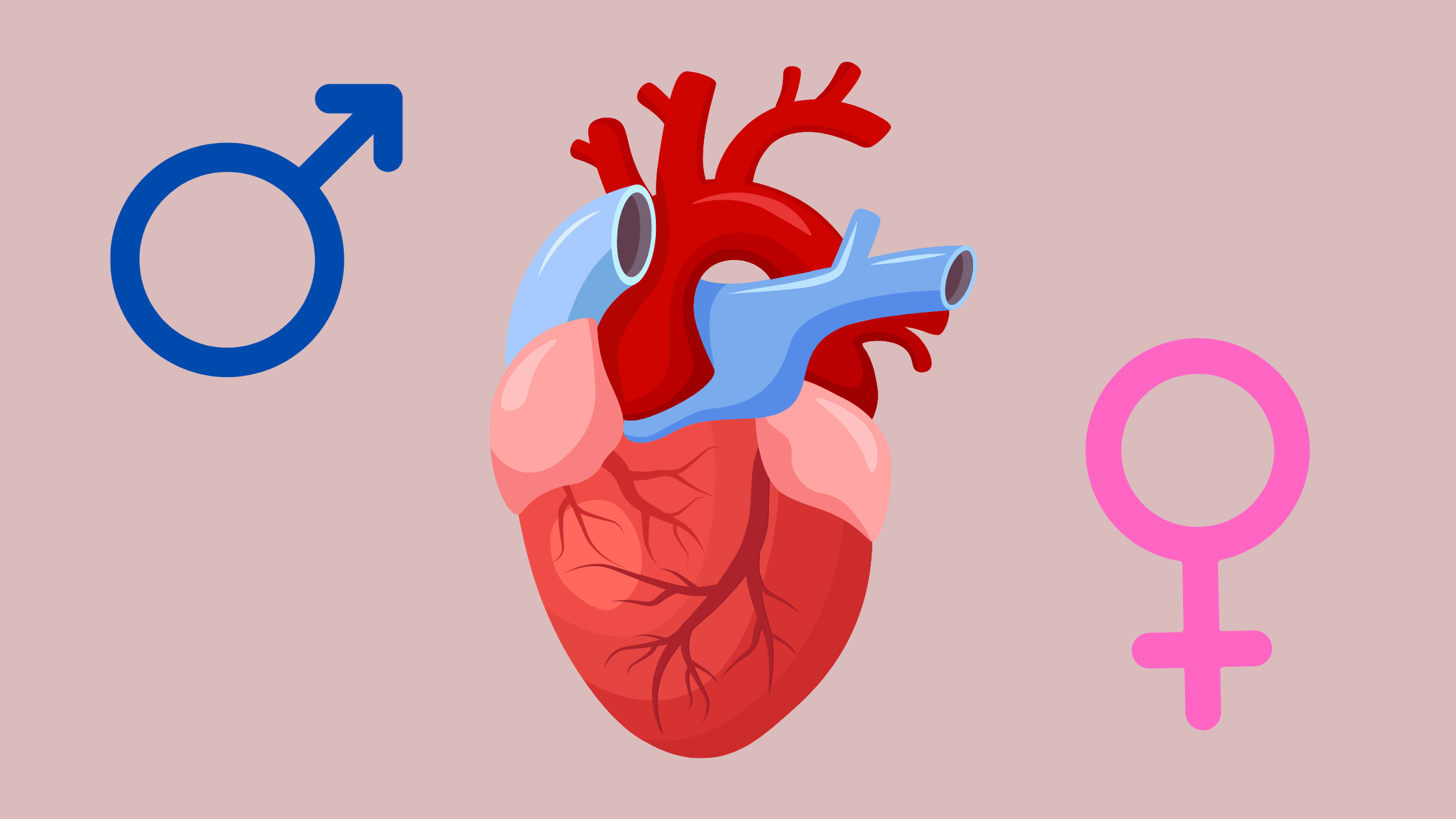
Large-scale studies over the past decade have revealed a consistent pattern: women often gain greater cardiovascular benefits from regular exercise than men, even when training for fewer hours. Researchers tracking heart health outcomes have found lower risks of heart disease, stroke, and early mortality in physically active women compared to men performing similar or higher levels of activity.
This doesn’t mean exercise is less important for men. Instead, it highlights biological and physiological differences that make women’s hearts respond more efficiently to physical activity.
Understanding the Female Cardiovascular Advantage
Women’s cardiovascular systems appear to adapt differently to movement. Hormonal profiles, muscle fiber composition, and metabolic responses all play a role.
Hormones and Vascular Response
Estrogen helps maintain flexible blood vessels and improves blood flow. When combined with regular exercise, this effect becomes stronger, improving oxygen delivery and reducing arterial stiffness more efficiently than in men.
This synergy may explain why moderate exercise can significantly reduce cardiovascular risk in women without the extreme training volumes often needed to see similar effects in men.
How Much Exercise Is Enough for Women?
Research suggests women reach peak cardiovascular benefit with less total exercise time per week than men. Moderate-intensity workouts appear especially effective.
Key findings often show:
- Women see major heart benefits with 150 minutes of moderate exercise weekly
- Even short, consistent sessions reduce heart disease risk
- Overtraining is not required to achieve protection
This efficiency matters in real life, especially for women balancing work, family, and other responsibilities.
Exercise Intensity and Gender Differences
Intensity plays a different role depending on gender. While men often benefit more from high-intensity sessions, women show strong heart-health gains from moderate and mixed-intensity routines.
Why Moderate Exercise Works So Well
Women’s bodies tend to utilize oxygen more efficiently during endurance activity. This improves cardiac output and lowers resting heart rate faster than in men, reducing strain on the heart over time.
This also lowers injury risk, making exercise more sustainable long-term.
The Mental Health Connection
Heart health is not purely physical. Stress, sleep, and emotional regulation directly affect cardiovascular outcomes. Exercise has a powerful impact on these factors, especially in women.
Regular physical activity reduces anxiety, improves sleep quality, and stabilizes mood. Since chronic stress is a known heart disease trigger, these psychological benefits indirectly strengthen cardiovascular protection.
For casino and sports betting audiences, this is particularly relevant. High-adrenaline environments increase stress hormones. Exercise acts as a stabilizer, improving decision-making and reducing impulsive behavior linked to fatigue and emotional overload.
Why Men Don’t See the Same Scale of Benefit
Men still gain significant health advantages from exercise, but the curve is different. Their cardiovascular systems often require higher volumes or intensities to reach comparable risk reduction.
Several factors contribute:
- Higher baseline muscle mass alters metabolic response
- Testosterone influences heart adaptation differently
- Men are more prone to exercise-related overstrain
As a result, the heart-protective return on investment from moderate exercise is often stronger and faster in women.
What Type of Exercise Works Best
While no single routine fits everyone, data points to certain activities being especially effective for women’s heart health.
Commonly recommended options include:
- Brisk walking or hiking
- Cycling or swimming
- Strength training combined with light cardio
The key factor is consistency rather than intensity. Regular movement keeps blood pressure, cholesterol, and inflammation under control.
What This Means for Performance and Risk Management
Heart health directly affects stamina, focus, and emotional regulation. For audiences interested in sports betting and casino play, these traits influence performance more than many realize.
A healthier cardiovascular system improves concentration and reduces fatigue-related errors. Women who exercise regularly may gain a subtle but real edge in environments that demand sustained attention and controlled risk-taking.
Takeaways for a Betting-Oriented Audience
Exercise is one of the few lifestyle factors that improves physical health, mental resilience, and decision quality simultaneously. The fact that women gain these benefits more efficiently highlights the importance of personalized strategies—both in health and in betting.
Just as smart players adapt strategies to their strengths, smart health decisions recognize biological differences. Movement doesn’t need to be extreme to be effective. For women, especially, consistency beats intensity.
