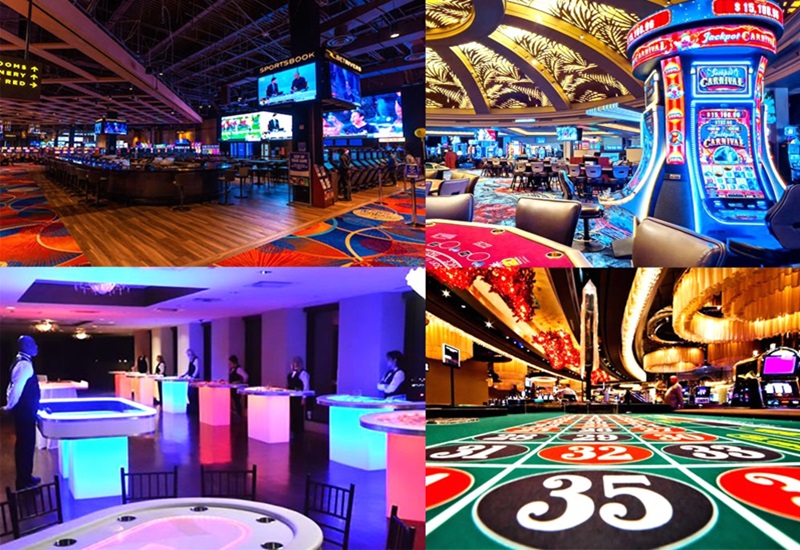
Casino architecture has always been more than just the walls housing gaming tables and slot machines; it’s a carefully crafted experience designed to captivate and enthrall visitors. From the ornate gambling halls of the 18th century to the sleek, high-tech megacasinos of today, architectural design plays a critical role in creating an atmosphere of excitement, luxury, and allure. Whether you’re stepping into a local casino or logging onto a platform like 22Bet, the environment you engage with has likely been meticulously curated. Let’s take a journey through the fascinating evolution of casino architecture.
The Beginnings: Historic Elegance
The roots of casino architecture trace back to Europe in the 18th and 19th centuries. The first casinos, such as the Ridotto in Venice (1638), were housed in opulent buildings that reflected the grandeur of their time.
Venetian Grandeur
In Venice, casinos were often integrated into the city’s palaces, with lavish decor, intricate frescoes, and stunning chandeliers. The goal was to attract aristocrats and create a luxurious environment befitting the high society.
Monte Carlo’s Iconic Casino
The Monte Carlo Casino, established in 1863, set a new benchmark for casino design. Combining Belle Époque elegance with the Mediterranean charm of Monaco, this landmark became synonymous with sophistication, attracting Europe’s elite.
The Las Vegas Boom: Mid-Century Glamour
In the mid-20th century, Las Vegas emerged as the epicenter of casino culture, redefining the industry with a focus on entertainment, spectacle, and accessibility.
The Strip Takes Shape
Las Vegas Strip casinos, such as the Flamingo (1946) and Caesars Palace (1966), embraced a blend of thematic and modernist designs. Caesars Palace, for instance, introduced Roman-inspired architecture with grand columns, fountains, and murals to immerse visitors in an experience of grandeur.
Neon and Glitz
The neon signage of this era became a defining feature of Las Vegas. Casinos were designed to stand out with flashing lights, bold facades, and extravagant entrances, luring visitors from miles away.
Modern Megaresorts: A World of Possibilities
The late 20th and early 21st centuries saw casinos transform into massive resorts that go far beyond gambling. Modern casino architecture prioritizes multi-sensory experiences, incorporating cutting-edge technology, sustainability, and entertainment.
Themed Resorts
The 1990s introduced themed resorts like the Luxor (pyramid-inspired) and The Venetian (a homage to Venice), blending architectural spectacle with immersive storytelling. These designs aimed to transport guests to another world while keeping them engaged on-site.
Integrated Resorts
Megaresorts like Marina Bay Sands in Singapore and the Bellagio in Las Vegas represent the pinnacle of modern casino architecture. These facilities include luxury hotels, theaters, shopping malls, and even artificial beaches, making them destinations in their own right.
Sustainability and Technology
As environmental concerns grow, some casinos are incorporating green architecture, with solar panels, energy-efficient lighting, and eco-friendly materials. Technology also plays a crucial role, with interactive designs, virtual reality spaces, and advanced lighting creating dynamic environments.
